






Don’t forget to study one of our most-read articles, Performance Boost Tricks for X-Plane 12, to gain smoother flying. Another popular one is X-Plane 12 Essentials, including addons and tweaks that transform the sim into a truly immersive experience.
X-Plane 12.4.1 represents a refinement-focused update rather than a revolutionary leap, but that doesn’t make it insignificant. Instead, it reinforces what Laminar Research has been steadily building with X-Plane 12: a highly technical, deeply authentic flight simulation platform that prioritizes realism, systems depth, and continuous iteration. With this version, the developers have focused on improving aircraft systems, weather fidelity, avionics usability, and overall performance—while also adding a surprising number of subtle features that enhance immersion in meaningful ways.
At its core, X-Plane 12 has always stood apart from competitors by leaning heavily into physics-based flight modeling. Version 12.4.1 doesn’t change that philosophy—it strengthens it. This update feels like a “tightening of screws” across the entire simulator. Systems behave more consistently, environmental modeling is more believable, and performance is more stable in complex scenarios.
Unlike flashy headline updates, 12.4.1 is about refinement. It’s a version that makes experienced simmers appreciate the nuances rather than impressing newcomers with visual spectacle.

Airbus A330-300: The Star of the Update
The most significant improvements in 12.4.1 center around the default Airbus A330-300, which continues to evolve into one of the most detailed default aircraft ever included in a flight simulator.
The standout feature is the fully simulated Ram Air Turbine (RAT). In real aviation, this emergency system deploys during major failures to provide hydraulic and electrical power. In X-Plane 12.4.1, it’s not just a visual gimmick—it’s fully functional and visible on the aircraft exterior.
This level of system depth is rare in default aircraft. It allows sim pilots to experience realistic emergency scenarios, making long-haul flights in the A330 far more engaging.
Additional improvements include:
- More accurate TCAS behavior with realistic aural alerts
- Better autopilot logic (e.g., vertical speed and altitude handling)
- Fixes to cockpit systems like timers and navigation displays
- Improved clarity in route visualization and waypoint management
These changes might sound incremental, but together they significantly enhance realism and usability. The A330 now feels less like a “good default plane” and more like a serious simulation tool.

Avionics Upgrade: Weather Radar Comes Alive
One of the most welcome additions is the weather radar overlay for the X1000 avionics suite. Pilots can now view precipitation data directly on the navigation display, improving situational awareness during adverse weather.
This is especially impactful for IFR flying. Instead of relying purely on external weather visuals or guesswork, pilots can now make informed routing decisions based on radar returns—just like in real aviation.
However, the feature is implemented realistically: it only works in aircraft equipped with radar systems. This attention to authenticity is a recurring theme throughout the update.
Weather System: Subtle but Important Improvements
Weather has been one of X-Plane 12’s defining features, and 12.4.1 refines it further. The update improves how real-world weather data is interpreted, especially in terms of atmospheric layering and cloud generation.
Key enhancements include:
- Smoother transitions between atmospheric layers
- Reduced unrealistic temperature jumps at altitude
- More accurate cloud behavior, especially cumulonimbus formation
Previously, some users experienced overly aggressive thunderstorm generation or abrupt weather shifts. These refinements make the environment feel more believable and consistent with real-world METAR data.

Performance Boost: A Quiet Game-Changer
Perhaps the most impactful change for many users is the CPU performance improvement. Laminar Research has reworked how the simulator handles multi-threaded rendering tasks, reducing synchronization overhead.
The result? A 15–20% performance increase in typical scenarios.
This is particularly noticeable at large airports or in dense scenery areas. Frame rates feel smoother, and stuttering is reduced—especially for users who were previously CPU-limited.
That said, GPU-bound users may not see as much improvement, which highlights a continuing limitation: X-Plane still leans heavily on CPU performance.
Scenery and World Detail Enhancements
While not headline-grabbing, the new scenery assets contribute meaningfully to immersion.
Additions include:
- European-style cab-over trucks (replacing unrealistic American-style vehicles in international settings)
- Improved gravel textures for bush flying and remote airstrips
- Hundreds of updated gateway airports with better layouts and accuracy
These details matter. X-Plane has always relied on community-driven scenery improvements, and 12.4.1 continues to support that ecosystem with better tools and assets.

Hardware Support and Accessibility
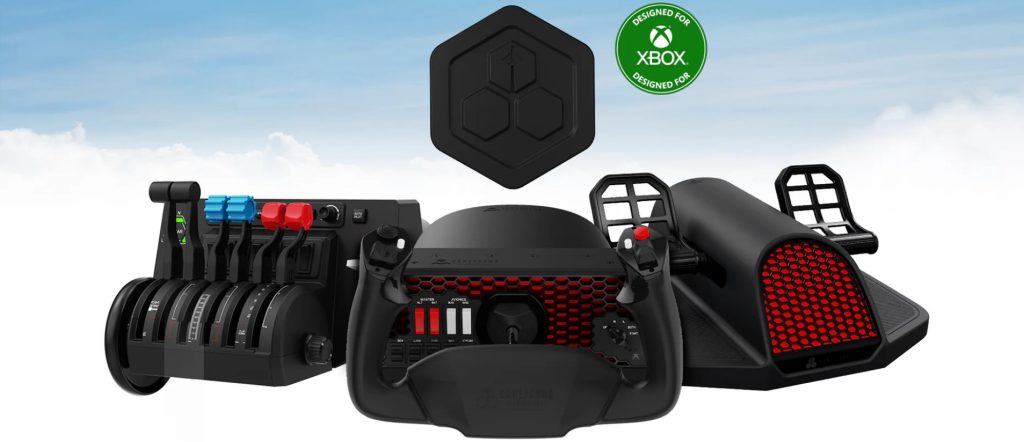
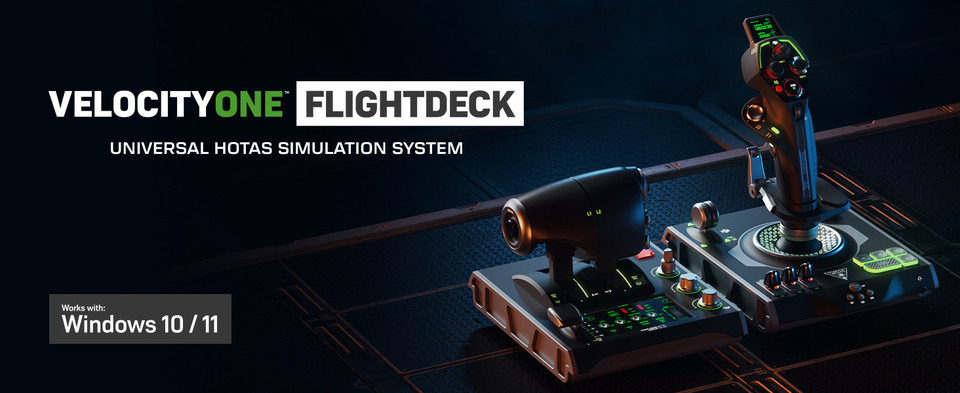
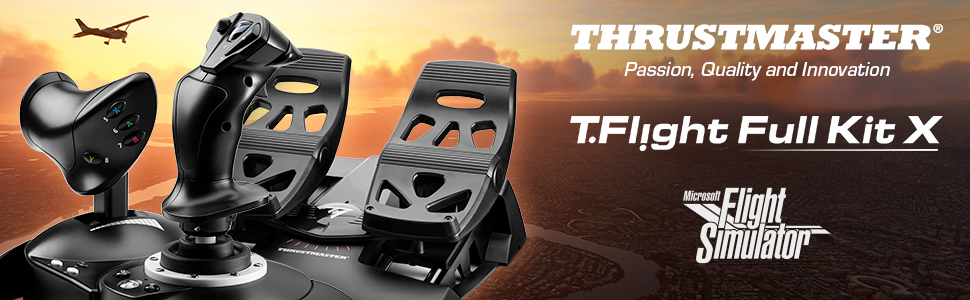
Another practical improvement is expanded support for modern flight hardware. The simulator now includes native profiles for new Honeycomb devices, making setup easier for both beginners and experienced simmers.
Plug-and-play compatibility is a big step toward accessibility, reducing the friction that often comes with configuring flight simulation peripherals.
Stability, Fixes, and Quality of Life
Beyond new features, 12.4.1 includes dozens of bug fixes and quality-of-life improvements:
- Better AI aircraft behavior and taxiing
- Improved ATC responsiveness and menu logic
- Stability improvements, especially on certain GPU configurations
- Fixes for avionics bugs and flight plan handling
These changes aren’t glamorous, but they contribute to a smoother overall experience.

Final Verdict
X-Plane 12.4.1 is not a flashy update—but it’s an important one.
It strengthens the simulator in key areas:
- Aircraft realism, especially with the A330
- Weather fidelity, making flights more believable
- Performance, delivering smoother gameplay
- Avionics, adding meaningful functionality
At the same time, it reinforces X-Plane’s identity as a serious simulation platform rather than a casual experience. It demands patience, powerful hardware, and often some technical knowledge—but rewards users with unmatched depth.
For existing X-Plane 12 users, 12.4.1 is an easy recommendation. It makes the simulator better in almost every way without introducing major downsides (outside of temporary add-on issues).
For newcomers, it’s another step toward making X-Plane more accessible—though it still sits firmly in the “hardcore sim” category.